Ensuring Safety with Metal Stairs Outdoor: What You Need to Know
When it comes to property design, metal stairs outdoor are often more than just a functional feature; they’re a vital element for safety, accessibility, and aesthetic appeal. In…
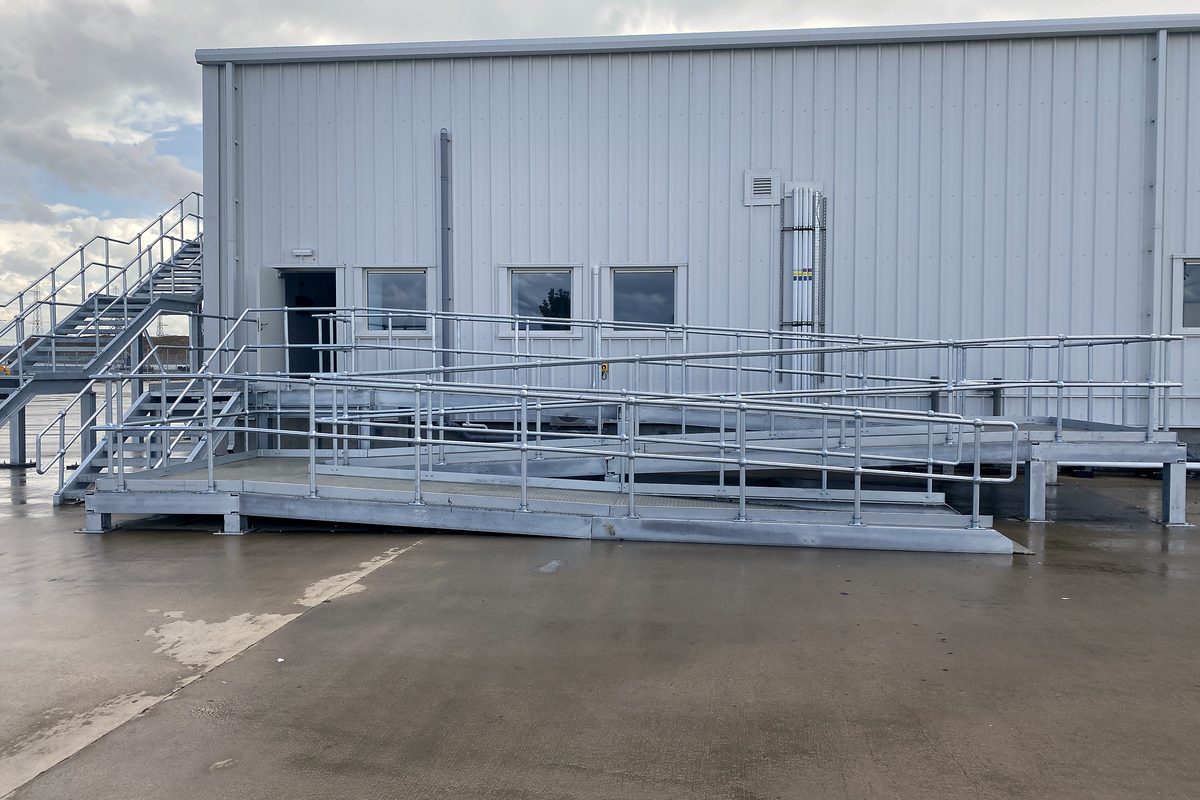
An outdoor staircase in UK is more than a practical connection between different levels. It can improve access, support safer movement, complement a building’s appearance, and make better use of gardens, terraces, balconies, entrances, and commercial spaces. However, outdoor stairs must cope with rain, moisture, temperature changes, regular foot traffic, and the demands of their surroundings.
For this reason, choosing the right design and material requires more thought than simply selecting a staircase that looks attractive. The structure needs suitable dimensions, secure fixings, appropriate surfaces, and a finish that can withstand outdoor conditions. Furthermore, the intended use has a direct impact on the type of staircase that should be considered.
Outdoor stairs can solve several access challenges around residential and commercial properties. Their design can vary considerably depending on the available space and the height that needs to be reached.
Homes often use external stairs to connect gardens with raised patios, balconies, terraces, decks, or upper entrances. Garden staircases can also make sloping plots easier to navigate.
A well-planned staircase should fit naturally into the existing property. Its width, railing design, tread surface, and overall appearance should complement the building rather than appear as an afterthought.
Commercial buildings often need an outdoor staircase in UK to connect different floors, service zones, storage areas, or separate parts of the property. In such settings, the staircase must provide dependable access while supporting regular use.
The staircase may experience considerably more traffic than a domestic installation. Consequently, material strength, protective finishes, handrails, and structural support all need careful consideration.
External fire escapes serve a different purpose from everyday garden or entrance stairs. They are designed to provide a reliable route from a building during an emergency.
Because their purpose is safety-critical, the design must take applicable building and fire safety requirements into account. The structure also needs to remain dependable when exposed to weather over a long period.
Material selection affects durability, maintenance, appearance, and long-term performance. There is no single material that suits every property.
Mild steel suits an outdoor staircase in UK due to its strength and flexibility. It can be fabricated into various designs for residential and commercial applications.
It is also a practical choice where structural strength is important, and the staircase will receive a suitable protective finish.
Stainless steel offers a clean, contemporary appearance and strong resistance to corrosion. It works particularly well with modern architecture and can be paired with glass for a lighter visual effect.
This combination is often selected where the staircase needs to contribute to the overall appearance of a property as well as provide reliable access.
Galvanisation involves applying a protective zinc coating to steel. The coating helps protect the underlying material from corrosion, making it particularly useful for exposed installations.
For properties where the staircase is regularly exposed to rain and moisture, galvanised construction can provide a practical balance between durability and maintenance requirements.
The popularity of outdoor metal staircases comes largely from their combination of strength, adaptability, and relatively straightforward maintenance.
Metal can be fabricated into straight flights, more complex configurations, platforms, landings, and other arrangements. This flexibility is useful when a property has restricted space or an unusual layout.
In addition, metal structures can be finished in different ways to complement the surrounding architecture. Railings and handrails can also be incorporated into the design from the beginning, rather than treated as separate additions.
However, the quality of the fabrication and protective finish matters just as much as the choice of material. Poor detailing can allow water to collect around joints or connections. Over time, this may contribute to deterioration.
A well-planned outdoor staircase in UK should combine visual appeal with reliable everyday performance. Before fabrication starts, several important design details should be reviewed to ensure the finished structure is safe, practical, and suited to its surroundings.
Outdoor steps can become wet during rainfall. Leaves, dirt, frost, and other debris can also affect footing.
Slip-resistant tread surfaces can therefore provide an important additional layer of safety. The selected surface should suit the location and expected use.
Handrails provide support, particularly on taller flights or frequently used stairs. Balustrades may also be required where there is a fall risk beside the staircase.
Their height, spacing, strength, and design should be considered as part of the overall structure.
Water needs a clear route away from steps and platforms. Poor drainage can leave surfaces wet for longer and may contribute to corrosion or surface deterioration.
A properly planned installation considers how rainwater will move across and away from the staircase.
The surrounding area can determine which staircase configuration is practical. A straight flight may work well where there is sufficient room, while a different arrangement may be more suitable for a restricted footprint.
Measurements should therefore be taken before the final design is agreed.
The requirements for outdoor stairs in UK can vary significantly between a private garden and a commercial property.
A domestic staircase may place greater emphasis on appearance and integration with landscaping. A commercial installation may prioritise heavy-duty use, access requirements, and long-term durability.
Similarly, a staircase serving a balcony has different practical considerations from one connecting two garden levels. Understanding the purpose first makes it easier to determine the appropriate configuration.
This is also why a site survey can be valuable. Measurements taken on location reveal details that may not be obvious from photographs or basic dimensions.
The UK’s changing weather makes proper protection essential for outdoor stair installations. Rain, moisture, and freezing conditions can affect exposed steel and may also make walking surfaces more challenging to use safely.
Protective finishes help limit corrosion and extend the lifespan of metal stairs. Galvanised steel is a practical choice for areas exposed to regular moisture, while stainless steel offers strong corrosion resistance alongside a clean, modern appearance.
Regular inspections are also important, regardless of the material selected. Property owners should check handrails, treads, visible connections, protective coatings, and areas where water could accumulate.
Furthermore, maintenance should not wait until visible damage appears. Addressing minor signs of wear early can help prevent further deterioration and reduce the risk of more serious structural or safety issues.
When comparing outdoor metal stairs in UK, property owners should consider more than the initial price.
Mild steel can offer excellent design flexibility and value. Stainless steel may be preferable where appearance and corrosion resistance are major priorities. Galvanised steel can be particularly practical for exposed locations requiring strong protection against moisture.
The best choice depends on the environment, expected traffic, design requirements, maintenance expectations, and available budget.
It is also worth considering the quality of fabrication. Accurate measurements, properly prepared joints, secure connections, suitable finishes, and careful installation all contribute to the finished staircase.
A well-designed staircase should provide dependable access without creating unnecessary maintenance problems. It should suit the property, withstand its environment, and remain comfortable to use.
The choice between different metal stairs outdoor configurations should therefore be based on practical requirements rather than appearance alone. Think about where the stairs will be positioned, how frequently they will be used, who will use them, and how exposed they will be to weather.
For commercial and emergency applications, compliance and safety requirements become especially important. For residential projects, design integration and everyday usability may carry greater weight.
In conclusion, an outdoor staircase in UK should be considered as part of the wider property rather than as an isolated feature. Material, layout, drainage, slip resistance, railings, fabrication, and installation all influence its performance.
With careful planning, the right staircase can provide safe access while complementing the character of the property.
For bespoke design, fabrication, and installation across London, Surrey, Kent, and Oxfordshire, Metal and Steel Staircases can help you discuss your requirements and arrange a survey. Call 07863 762 888 to inquire about your project.
Request a quote
Email us your enquiry, drawings or tender package and our estimators send figures back before the day is out. Free site surveys across London, Kent, Surrey, Sussex, Essex and the whole of the South East, on site or by video. We price match any like-for-like quote.
Send the details and an estimator replies today.
More from the blog
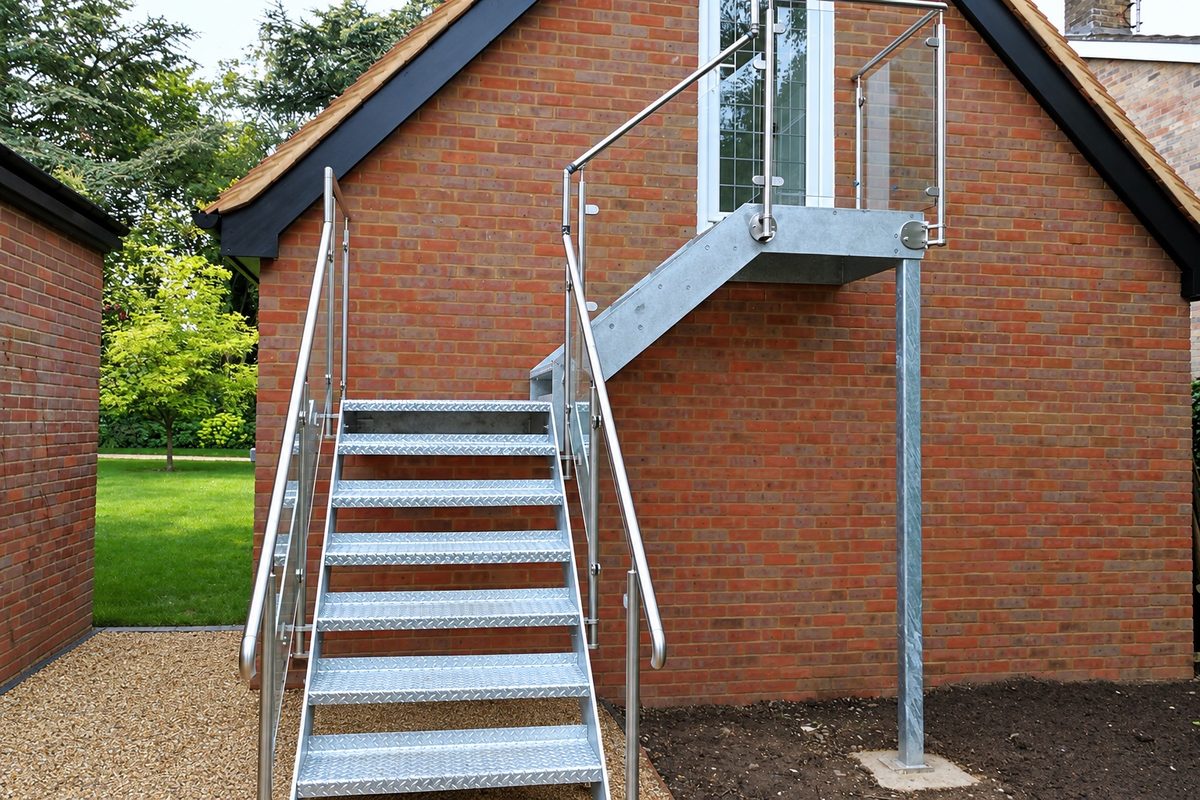
When it comes to property design, metal stairs outdoor are often more than just a functional feature; they’re a vital element for safety, accessibility, and aesthetic appeal. In…

Split-level homes offer a unique charm, blending height, character, and clever use of space. But in the UK, where frequent rain, slippery surfaces, and seasonal temperature swings…

Many homes and gardens in the UK have limited outdoor space. You might think adding a staircase is impossible. However, compact outdoor metal stairs in the UK offer a practical…